thumb

Scleroderma

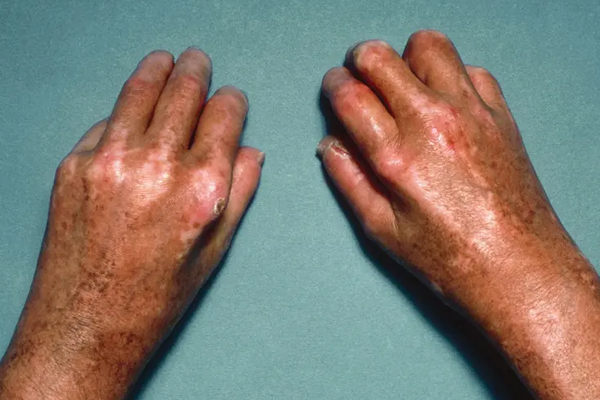
Scleroderma, also known as systemic sclerosis, is a chronic autoimmune disease characterized by excessive collagen production, leading to thickening and hardening of the skin and connective tissues. In some cases, it may also affect internal organs such as the lungs, heart, kidneys, and digestive tract. The disease varies widely in severity, and early diagnosis with appropriate management is crucial to prevent serious complications.

Causes of Scleroderma

The exact cause of scleroderma is not fully understood, but several factors are believed to contribute:

  • Autoimmune dysfunction leading to excess collagen production
  • Genetic predisposition or family history of autoimmune diseases
  • Abnormal blood vessel function causing reduced blood flow
  • Environmental triggers such as infections or chemical exposure
  • Hormonal influences, with higher prevalence in women

Treatment Options for Scleroderma

There is no permanent cure for scleroderma, but treatment focuses on managing symptoms, slowing disease progression, and preventing organ damage.

Medications
  • Immunosuppressive and anti-inflammatory drugs
  • Medications to improve blood flow and control Raynaud’s symptoms
  • Drugs targeting lung, heart, or kidney involvement

Symptom Management
  • Skin care to reduce tightness and dryness
  • Management of digestive symptoms and reflux

Lifestyle Management
  • Protecting hands and feet from cold exposure
  • Regular stretching and physiotherapy
  • Avoidance of smoking

Advanced & Long-Term Care
  • Regular monitoring of lung, heart, and kidney function
  • Multidisciplinary care involving rheumatology specialists

Prevention & Risk Reduction

Scleroderma cannot be prevented, but early detection and consistent care help reduce complications:

  • Early evaluation of skin thickening or Raynaud’s phenomenon
  • Strict adherence to prescribed treatment plans
  • Routine monitoring for internal organ involvement
  • Healthy lifestyle to support vascular and immune health
  • Prompt management of disease flare-ups
  • Regular follow-ups for long-term disease control