thumb

Gout

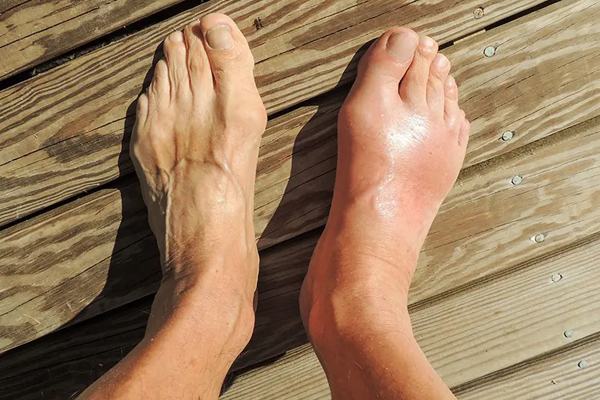
Gout is a form of inflammatory arthritis caused by excess uric acid in the blood, leading to the formation of urate crystals in the joints. It commonly presents as sudden, severe joint pain, swelling, redness, and warmth—most often affecting the big toe, but other joints may also be involved. Without proper treatment, gout can become chronic and lead to joint damage and kidney complications.

Causes of Gout

Gout occurs due to increased levels of uric acid in the blood, which may result from:

  • Overproduction of uric acid in the body
  • Reduced excretion of uric acid by the kidneys
  • High intake of purine-rich foods such as red meat and seafood
  • Excessive alcohol consumption, especially beer
  • Obesity, diabetes, high blood pressure, or kidney disease

Treatment Options for Gout

Treatment for gout focuses on relieving acute attacks, preventing future flares, and lowering uric acid levels.

Medications
  • Non-steroidal anti-inflammatory drugs (NSAIDs)
  • Colchicine and corticosteroids for acute attacks
  • Uric acid–lowering medications for long-term control

Dietary Management
  • Low-purine diet to reduce uric acid levels
  • Adequate hydration to help excrete uric acid

Lifestyle Management
  • Weight management and regular physical activity
  • Avoidance of alcohol and sugary beverages

Advanced & Long-Term Care
  • Regular monitoring of serum uric acid levels
  • Management of associated metabolic conditions

Prevention & Risk Reduction

Gout can often be prevented or controlled with proper lifestyle changes and medical care:

  • Maintain healthy uric acid levels through regular check-ups
  • Follow a balanced, low-purine diet
  • Stay well-hydrated
  • Avoid excessive alcohol intake
  • Maintain healthy body weight
  • Adhere to prescribed medications to prevent flare-ups