thumb

Mixed Connective Tissue Disease (MCTD)

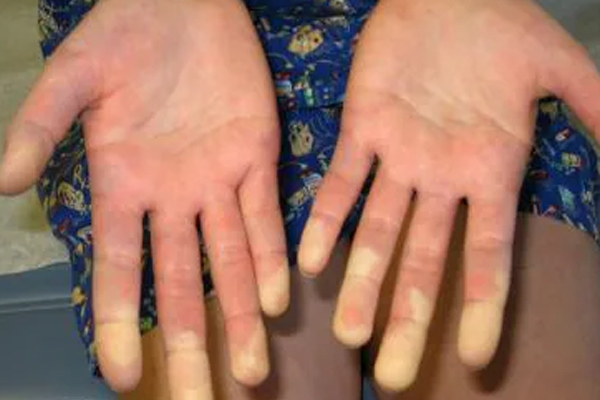
Mixed Connective Tissue Disease (MCTD) is a rare autoimmune disorder that shows overlapping features of several connective tissue diseases, including lupus, scleroderma, and myositis. It commonly affects joints, muscles, skin, lungs, and blood vessels. Symptoms may vary in severity and often develop gradually. Early diagnosis and appropriate treatment are essential to control inflammation, prevent organ damage, and maintain quality of life.

Causes of MCTD

The exact cause of mixed connective tissue disease is not fully understood, but several factors are thought to play a role:

  • Autoimmune dysfunction attacking connective tissues
  • Presence of specific autoantibodies (anti-U1 RNP)
  • Genetic susceptibility or family history of autoimmune diseases
  • Environmental or infectious triggers
  • Hormonal factors, with higher prevalence in women

Treatment Options for MCTD

There is no permanent cure for MCTD, but treatment focuses on controlling symptoms, reducing inflammation, and preventing organ involvement.

Medications
  • Anti-inflammatory and pain-relief medications
  • Corticosteroids to control disease flares
  • Immunosuppressive and disease-modifying drugs

Organ-Specific Management
  • Treatment tailored to lung, muscle, or joint involvement
  • Monitoring and management of pulmonary hypertension

Lifestyle Management
  • Balanced, nutrient-rich diet
  • Regular, gentle physical activity
  • Avoidance of smoking and cold exposure

Advanced & Long-Term Care
  • Regular follow-ups to monitor organ function
  • Multidisciplinary care involving rheumatology and other specialists

Prevention & Risk Reduction

Mixed connective tissue disease cannot be prevented, but early recognition and proper care help reduce complications:

  • Early evaluation of joint pain, muscle weakness, or Raynaud’s symptoms
  • Strict adherence to prescribed medications
  • Regular monitoring for lung and heart involvement
  • Healthy lifestyle to support immune balance
  • Prompt management of disease flare-ups
  • Routine follow-ups for long-term disease control