thumb

Ankylosing Spondylitis

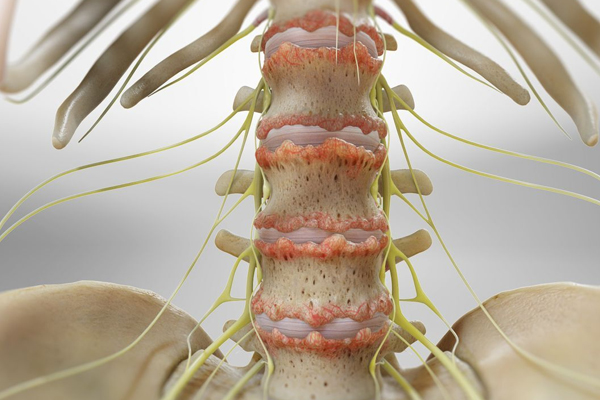
Ankylosing Spondylitis (AS) is a chronic inflammatory arthritis that primarily affects the spine and sacroiliac joints. It causes long-term back pain, stiffness, and reduced flexibility, especially in the morning or after periods of inactivity. Over time, ongoing inflammation may lead to fusion of the spinal bones, resulting in a stooped posture and limited movement. Early diagnosis and appropriate treatment can significantly improve quality of life and prevent severe complications.

Causes of Ankylosing Spondylitis

The exact cause of ankylosing spondylitis is not fully understood, but the following factors play an important role:

  • Autoimmune and inflammatory processes affecting the spine
  • Genetic factors, especially presence of the HLA-B27 gene
  • Family history of ankylosing spondylitis or related disorders
  • Environmental triggers that activate inflammation
  • Male gender, as AS is more common in men

Treatment Options for Ankylosing Spondylitis

Although ankylosing spondylitis cannot be cured, treatment focuses on relieving pain, reducing inflammation, and maintaining mobility.

Medications
  • Non-steroidal anti-inflammatory drugs (NSAIDs)
  • Disease-modifying antirheumatic drugs (DMARDs)
  • Biologic therapies for severe inflammation

Physical Therapy
  • Posture correction and spinal mobility exercises
  • Stretching and strengthening programs

Lifestyle Management
  • Regular physical activity and swimming
  • Maintaining good posture during daily activities
  • Healthy diet and weight control

Advanced Care
  • Regular follow-ups to monitor spinal changes
  • Multidisciplinary care for joint and extra-articular symptoms

Prevention & Risk Reduction

Ankylosing spondylitis cannot be fully prevented, but early management helps slow progression and reduce complications:

  • Early diagnosis and timely treatment
  • Regular exercise to maintain spinal flexibility
  • Avoid smoking, which worsens disease progression
  • Maintain correct posture while sitting and sleeping
  • Follow prescribed treatment plans consistently
  • Routine monitoring to prevent long-term disability